Searing Steak on Grill: Master the Art with Pro Tips for Ultimate Flavor and Juicy Results
Grilling a steak can be simple, but getting it just right takes some know-how. Whether you’re cooking for a weekend dinner or a backyard get-together, learning the basics of searing steak on grill can make all the difference. A good sear locks in juices and builds flavor, giving you that rich taste and satisfying texture. This guide breaks down what you need—heat levels, timing, tools, and tips—to help you cook steak with confidence. No fancy tricks or hard-to-find ingredients—just clear steps to help you get the most out of your grill every time you fire it up.
Choose the Right Cut for Maximum Flavor
Picking the best piece of meat is the first move toward a better result when searing steak on grill. The type of cut affects how much fat, texture, and taste you get once it’s cooked. Some cuts hold up better to high heat and short cook times than others.
Ribeye is a solid choice for grilling. It has fine lines of fat running through it. This fat melts during cooking, helping to keep the meat moist inside. It also brings out deeper taste without needing extra seasoning or sauce.
New York strip is another strong option. It has less fat than ribeye but still offers enough marbling to stay juicy over flames. When placed on a hot surface, this cut forms a crust that locks in moisture while giving each bite more chew.
Avoid lean cuts like sirloin tip or round steak if you’re aiming for full flavor and softness. These have less internal fat and can dry out fast under direct heat. They might need long marinades or slow cooking instead.
Thickness matters too. Look for pieces that are at least one inch thick. Thicker steaks give you more control over doneness without burning the outside too soon.
Bone-in versions can help with even heating, though they may take longer to cook through fully. If time is tight, go boneless but make sure there’s still visible marbling across the surface.
When preparing for searing steak on grill, aim for quality over quantity. A single well-marbled cut will deliver better results than several thinner or leaner ones combined.
Let your selected cut reach room temperature before placing it on heat — this helps avoid uneven cooking inside and out.
Choosing wisely leads to better results with minimal effort during grilling time.
Bring Your Steak to Room Temperature
Letting steak sit out before grilling makes a big difference. When meat goes straight from the fridge to the grill, the outside cooks faster than the inside. This can lead to a dry surface and a cold center. Letting it rest at room temperature for 30 to 60 minutes helps avoid this problem.
Meat that warms up slightly cooks more evenly. The heat can move through it without rushing or burning one side. That means better texture and fewer chances of overcooking the outer layer.
Cold steak also tightens when it hits high heat right away. This leads to a chewy bite, which is not ideal when aiming for tender results. Allowing time outside the fridge helps relax those muscle fibers before cooking starts.
Patience during this step also helps with moisture control. A cold cut may release juice too fast once placed on hot grates, leading to dryness and less flavor left in the meat itself.
While waiting, keep your steak covered with foil or wax paper so dust stays off and bugs don’t land on it if you’re outdoors. Set it on a clean plate far from raw foods like chicken or fish to avoid cross-contamination.
This short wait brings consistent results when searing steak on grill setups at high temperatures. It’s one of those small steps that often gets skipped but plays an important role in how well your final dish turns out.
No need for extra tools or effort—just some planning ahead while you get your other ingredients ready or prep your grill.
Master the Technique of Searing Steak on Grill
Start by heating your grill to a high temperature. This step is key for creating a firm outer layer on the meat. Allow the grates to reach full heat before placing the steak down. A hot surface helps form a strong crust quickly, locking in moisture.
Choose steaks that are thick enough to hold up to direct heat, usually about one inch or more. Thinner cuts can dry out too fast and lose flavor. Pat the steak dry using paper towels before grilling. Moisture on the surface can prevent proper browning.
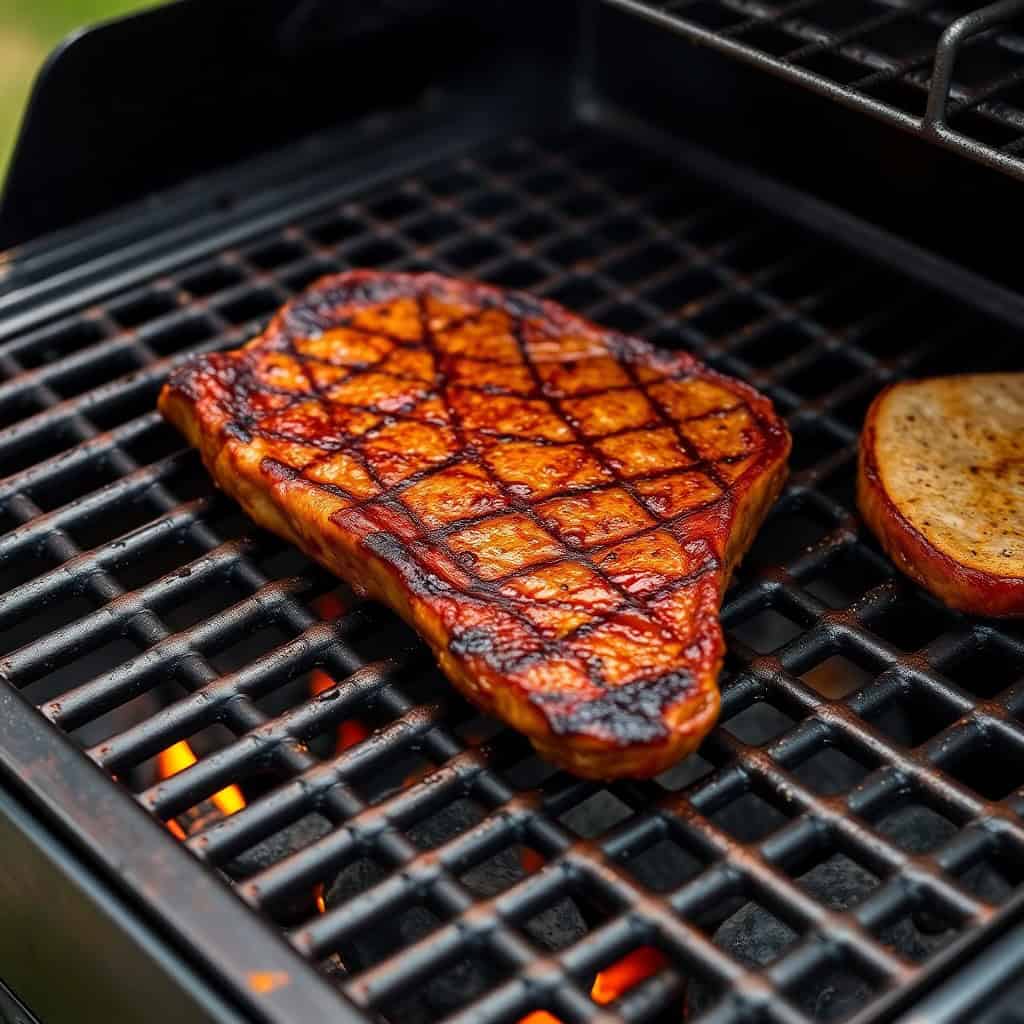
Once the grill is ready, place the steak directly over open flames or heated grates. Leave it alone for at least two minutes without moving it. This allows natural sugars and proteins in the meat to react with heat and create a dark crust.
After searing one side, flip only once using tongs, not a fork. Piercing the meat lets juices escape, which reduces tenderness. Let each side cook long enough to develop an even color across its surface.
Do not press down on the steak while it’s cooking. That forces out liquid and lowers quality results. Keep your lid open if you want better control over flare-ups from dripping fat.
Use a thermometer to check internal temperature rather than guessing doneness by touch or time alone. For medium rare, aim for 130–135°F before resting; medium should be around 140–145°F.
Rest your steak after removing it from heat so juices settle back into place instead of spilling out when sliced.
Searing steak on grill this way builds taste through direct contact with intense flame and high-temperature metal surfaces rather than slow cooking methods like smoking or baking.
Practicing these steps helps improve texture while keeping flavors strong and natural every time you cook outdoors using fire-based equipment like charcoal or gas grills.
Season Generously Before Grilling
Proper seasoning helps meat cook evenly and taste better. A thick cut of beef needs more than just heat to bring out its full flavor. Start with a basic mix that supports the natural taste without hiding it. Use kosher salt for this step. It sticks well to the surface and spreads flavor across the meat as it cooks.
Freshly ground black pepper adds sharpness and depth. Grind it right before using so the oils stay in place. This helps give each bite a balanced taste. If you prefer, sprinkle on garlic powder as well. This adds another layer without taking away from the beef’s main notes.
Apply these seasonings on all sides of the steak, including edges if possible. Don’t hold back—meat loses some salt during grilling, so you need enough from the start to keep it flavorful through every bite.
Letting your steak sit after seasoning is also helpful. Leave it at room temperature for about 30 minutes before placing it on heat. This gives time for salt to pull moisture from the surface and then draw it back in with flavor attached.
Avoid using mixed spices or sauces before cooking unless you know how they react under high heat. Many blends contain sugar or herbs that burn fast and leave bitter spots when searing steak on grill surfaces at high temperatures.
A simple mix works best because it doesn’t cover up what makes grilled beef stand out—its own rich profile built by smoke, fire, and time over hot metal grates.
Use the Two-Zone Grilling Method
Start by setting up your grill with two heat levels. One side should be hot for direct cooking, while the other stays cooler for indirect heat. This setup gives you more control over how your steak cooks. Begin by placing the meat on the hot section. The goal here is to build a crust quickly without drying out the inside.
Direct heat helps brown the surface fast. This step is key when searing steak on grill because it locks in moisture and creates a strong outer layer that holds flavor. Let each side cook briefly—usually one to two minutes per side—until you see color forming.
After searing both sides, move the steak to the cooler zone of your grill. Here, it finishes cooking slowly without burning or becoming tough. This part allows heat to reach the center of the meat without overcooking the outside. Use a thermometer if needed to check internal temperature so you hit your desired level of doneness.
This method also helps avoid flare-ups caused by dripping fat hitting flames directly under high heat zones. That means fewer burnt spots and more even results across each piece.
Using two zones also lets you manage timing better if you’re grilling several cuts at once. You can sear one while others rest or cook slower nearby, which keeps everything moving smoothly during preparation.
By dividing your grill into high and low areas, you can adjust as needed during cooking instead of reacting too late after something burns or dries out.
Let It Rest Before Slicing
After removing your steak from the grill, place it on a clean plate or cutting board. Do not cut into it right away. Letting the meat sit for 5 to 10 minutes allows the juices inside to settle. If you slice too soon, those juices will run out onto the plate instead of staying in the steak.
During cooking, heat pushes moisture toward the center of the meat. Resting gives that moisture time to move back through each part of the steak. This simple step helps keep every bite tender and full of taste.
Covering your steak loosely with foil while it rests can help maintain warmth without trapping steam. Avoid wrapping it tightly, as this may change texture by softening the surface too much.
This waiting period is especially important when searing steak on grill at high temperatures. The outer layer gets hot fast, creating contrast between edges and middle parts. Allowing time after grilling balances temperature across all areas and improves consistency from end to end.
Use a timer if needed so you don’t rush this process. Even just five minutes can make a difference in how enjoyable your meal turns out.
While resting, prepare side dishes or set up plates for serving. Use this pause to get everything else ready so that once you slice into the meat, you’re ready to eat without delay.
Skipping rest often leads to dry results no matter how well you cooked it before slicing. Taking these few extra minutes protects flavor and improves texture throughout each piece served from your grill session.
Unlock Bold Flavor with Every Sizzle
By understanding the essentials of steak preparation and technique, you’re well on your way to grilling like a pro. From selecting the ideal cut and letting it reach room temperature to mastering the art of searing steak on grill using a two-zone method, each step plays a vital role in achieving tender, flavorful results. Generous seasoning and proper resting time further enhance taste and texture. With these expert tips in hand, you can confidently create restaurant-quality steaks right at home—juicy, bold, and bursting with flavor every time. Now fire up that grill and let your skills shine.