Lump Charcoal vs Briquettes: How to Choose the Right Fuel for Your Grilling Needs
When it comes to backyard grilling, the type of charcoal you use can affect everything from heat control to flavor. Two of the most common options—lump charcoal vs briquettes—each come with their own pros and cons. Understanding how they differ can help you decide which one fits your style of cooking best.
What Is Lump Charcoal?
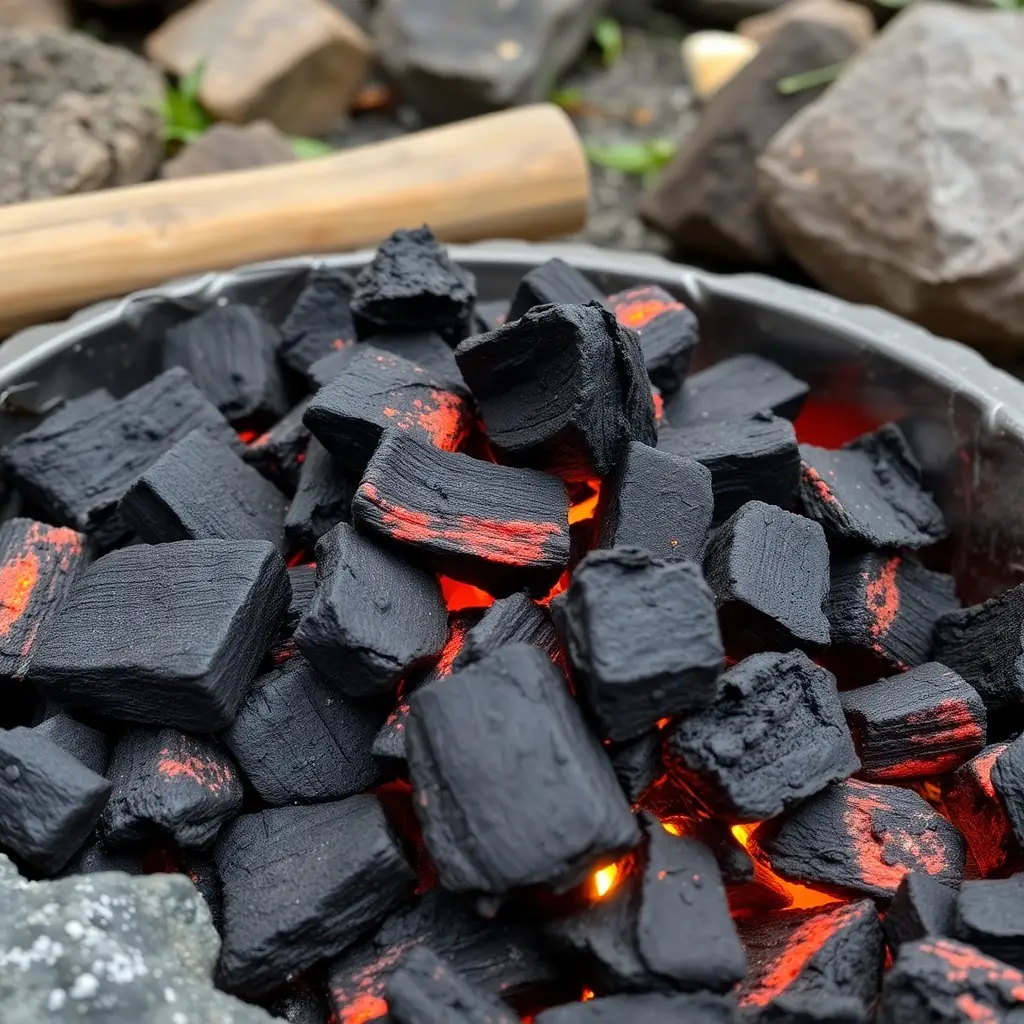
Lump charcoal is made by burning pieces of hardwood in a low-oxygen environment until all the moisture, sap, and natural chemicals burn off. What’s left is pure carbon that lights quickly and burns hot. Because it’s made from real wood, lump charcoal often comes in irregular shapes and sizes.
Grillers who prefer lump charcoal often like the natural wood flavor it adds to food. It also responds quickly to oxygen, making it easier to adjust temperature by opening or closing air vents on your grill.
What Are Briquettes?
Briquettes are made from compressed sawdust and other wood scraps, mixed with additives such as starch (to bind them) and sometimes chemicals (to help them light faster). They’re uniform in shape and size, which helps maintain a steady temperature over time.
Many people choose briquettes for longer cooking sessions like smoking or roasting because they burn more slowly and evenly than lump charcoal. However, some grillers notice a chemical smell when lighting briquettes that contain lighter fluid or other additives.
Lump Charcoal vs Briquettes: Key Differences
Understanding the key differences between lump charcoal vs briquettes can make your choice easier:
– Heat Output: Lump charcoal burns hotter than briquettes. This makes it better for quick searing or high-temperature grilling.
– Burn Time: Briquettes last longer, making them ideal for slow-cooked meals.
– Flavor Impact: Lump charcoal gives off a natural wood smoke that many say improves flavor. Briquettes may have a neutral or slightly chemical scent if additives were used.
– Ease of Use: Briquettes offer consistent shape and size, which makes them easier to stack and control. Lump charcoal requires more attention due to its uneven pieces.
– Ash Production: Lump charcoal produces less ash than briquettes, which means less cleanup after grilling.
When to Use Each Type
Your choice between lump charcoal vs briquettes depends on what you’re cooking and how involved you want to be in managing heat.
– For short cooks like burgers or hot dogs, lump charcoal heats up fast and gives great flavor.
– For long cooks like ribs, brisket, or whole chickens, briquettes offer steady heat over time without needing constant refueling.
– If you’re using a ceramic grill or kamado-style cooker that holds heat well, lump charcoal is often preferred due to its higher temperatures.
– If you’re using a standard kettle grill and want an easy setup for indirect cooking, briquettes can help maintain an even temperature.
Final Thoughts
Choosing between lump charcoal and briquettes isn’t about which one is better—it’s about what works best for your needs. Each has strengths depending on how you like to cook.
If you value quick heat and natural wood flavor, go with lump charcoal. If you want consistent performance over several hours with minimal attention, briquettes might be the better option. Either way, knowing the differences helps you make smarter choices at the grill.