Kamado vs Kettle Grill Showdown: Find the Perfect Match for Your Backyard BBQ
Choosing the right grill can make a big difference in how you cook and enjoy your food outdoors. Whether you’re new to grilling or looking to upgrade, understanding the pros and cons of each option helps. This guide breaks down the key differences between a kamado vs kettle grill, from heat control to cooking style. Both have loyal fans, but they serve different needs depending on what and how you like to cook. If you’re planning weekend cookouts or just want better flavor from your burgers and ribs, knowing what each grill offers will help you make the right pick for your backyard.
Grill Design & Construction
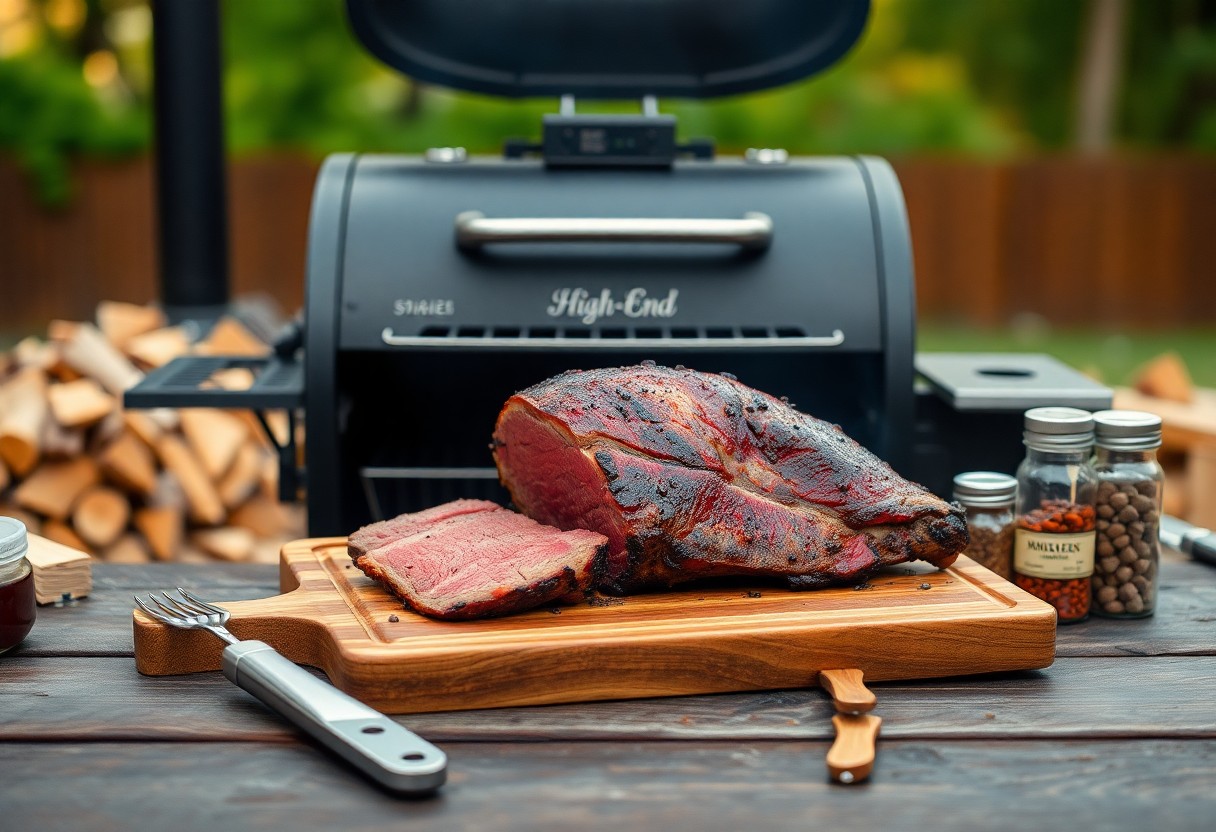
Kamado grills use thick ceramic walls. These heavy parts help hold heat for long periods. The shape is oval or egg-like, with a tight lid that seals well. This design allows steady airflow through small vents at the top and bottom. The material stays hot even after the fire dies down.
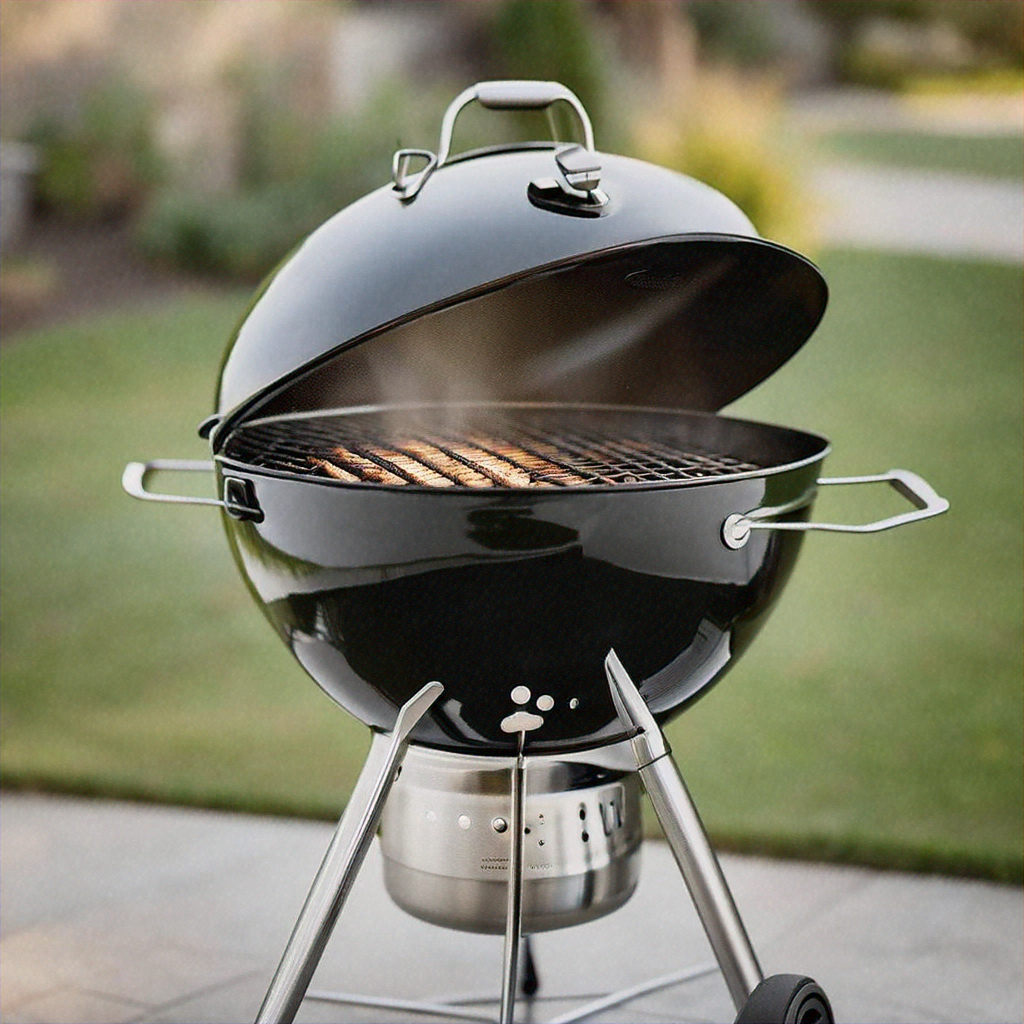
Kettle grills have a round metal body with a lid that fits over the top. They use steel, which is much lighter than ceramic. Air flows in from below and exits through vents on the cover. This setup helps control temperature but loses heat faster than ceramic grills.
One key difference in the kamado vs kettle grill comparison is how each holds warmth. Ceramic holds heat longer and spreads it evenly across all surfaces inside the grill. Metal cools quicker and may not give off consistent heat throughout cooking.
Ceramic construction also resists rust because it has no exposed metal surface to corrode over time. Kettle grills often need extra care to avoid rust, especially if stored outdoors or used in damp areas.
Another factor is weight and mobility. Kamado units weigh more due to their thick build, making them harder to move around a yard or patio without effort or wheels designed for heavy loads. Kettle models can be lifted easily by one person and moved without tools or extra support.
Both designs offer different benefits depending on your needs at home. One supports long, steady cooking while the other works better for short grilling sessions with quick setup and cleanup times.
These differences can affect how you plan your meals, where you store your grill, and how often you cook outside during colder months or windy days when holding heat matters most.
Heat Control & Versatility
Temperature control plays a big role in outdoor cooking. Both the kamado and kettle grill offer unique ways to manage heat, but they do it differently.
Kamado grills use thick ceramic walls. This material holds warmth for long periods. Once heated, it stays steady even with little fuel. Small vents at the top and bottom help adjust airflow. This lets you fine-tune the inside temperature with small changes. Because of this, slow smoking and baking become easier to manage over time.
Kettle grills have thinner metal bodies. They heat up faster but also lose warmth quicker if not watched closely. The vents on a kettle model can still give decent control, but outside factors like wind or cold air make a bigger impact here than with a kamado grill.
When it comes to flexibility, both types handle different methods of cooking—but one offers more range than the other. Kettles can grill burgers or hot dogs quickly over direct heat. You can set them up for indirect cooking too by moving coals to one side and placing food on the other.
Kamados go further by letting you smoke ribs low-and-slow for hours, bake pizza using high temperatures, or roast whole chickens evenly without much babysitting. Their design supports many setups without needing extra equipment.
In terms of kamado vs kettle grill, backyard cooks looking for simple grilling may lean toward the kettle model due to its lightweight build and fast start-up time. Those who want longer sessions or more variety might find better value in what a kamado can do.
Each option manages fire in its own way—one through insulation and airflow precision, the other through quick heating and easy access to charcoal adjustments.
Kamado vs Kettle Grill
Understanding the difference between a kamado vs kettle grill can help you choose the right tool for your outdoor cooking needs. These two types of grills use different materials, shapes, and fuel approaches. Each has strengths that may suit one person’s grilling habits better than another’s.
Fuel efficiency is one area where they differ. Kamado grills use thick ceramic walls that hold heat longer. They need less charcoal during long cooks because they trap warmth inside. Kettles have thinner metal bodies, so they lose heat faster and burn more fuel over time to stay hot.
Cooking performance also varies between them. Kamado grills hold steady temperatures well, which helps when smoking meat or slow-cooking cuts like brisket or ribs. Their tight seals and air vents give users strong control over airflow and heat levels. Kettle grills offer faster heating times but can be harder to manage for low-and-slow recipes.
Maintenance needs depend on the design too. Kamados often require care when cleaning ash due to their narrow firebox space; some models make this easier with sliding trays or removable parts. The ceramic body must also be handled with care to avoid cracks from sudden temperature changes or drops. Kettle grills usually have simpler ash collection systems and fewer fragile parts, making cleanup quicker.
Weight and mobility matter as well if you move your grill often or store it away between uses. Most kamado units weigh more due to their dense build, while kettles tend to be lighter and easier to roll around patios or decks.
Both options fit different cooking styles depending on how much time you spend grilling, what kinds of food you prefer, how often you cook outside, and whether portability matters in your setup choices.
Flavor Factor
Grill flavor depends on how heat and smoke move through the cooker. Both kamado and kettle grills use charcoal, but they manage airflow and insulation in different ways. These differences affect how food tastes once it comes off the grill.
A kamado uses thick ceramic walls. These walls hold heat for long periods. They also keep moisture inside during cooking. This helps meat stay juicy while absorbing more smoke from the burning coals or wood chunks placed below the grate. The tight lid seal keeps air movement slow and steady, which means smoke stays longer around the food.
A kettle grill has thinner metal construction. It heats up quickly but also loses warmth faster than a kamado. Its vents allow for solid airflow control, but not as precisely as a kamado’s system. Because of this, smoke may escape faster before it fully surrounds your meat or vegetables.
The kamado vs kettle grill debate often centers around taste results over time. Many backyard cooks notice that dishes made with a kamado tend to carry deeper smoky tones, especially when cooking low and slow cuts like ribs or brisket. The sealed design helps trap those flavors where they matter most—inside your food.
Kettle grills still offer great results for shorter cooks like burgers or sausages where less smoke is needed. They can still give you tasty char marks and some wood-fired aroma if used correctly with smoking chips or small wood chunks.
Each type delivers its own version of grilled flavor based on how well it holds temperature and manages airflow paths across the fuel source and food surface area. Your choice affects every bite you take at your next cookout depending on what kind of taste you want to create consistently across meals shared outdoors with friends or family members gathered nearby under open skies or shaded patios alike.
Ease of Use
Starting a grill should not take much time or effort. With a kettle grill, setup is simple. Add charcoal, light it, and wait for the heat to build. Most models use vents that slide open or closed. These control airflow and temperature easily. For someone new to grilling, this process is quick to learn.
Kamado grills take longer before cooking begins. Their thick walls hold heat well but also need more time to warm up. Lighting charcoal inside a kamado often means using a fire starter or chimney tool. Adjusting temperature needs more attention too. The top and bottom vents must be used together for proper airflow.
Ash cleanup is another part of the kamado vs kettle grill debate. Kettle grills usually have an ash catcher below the bowl. After cooking, you sweep ash into it with built-in blades, then empty the tray—fast and simple.
Kamado grills collect ash in a small drawer or compartment at the bottom as well. But their design makes it harder to reach sometimes, especially after long cooks when ashes pile up near the firebox area.
Moving each type around your yard can also matter for ease of use. A kettle grill often has two wheels and a light frame, so it’s easier to shift from one spot to another without help.
Kamado grills weigh much more due to their ceramic shell or heavy metal body. Moving them takes strength or extra hands unless they come with strong casters.
For people who want speed and less effort from start to finish, kettles offer fewer steps overall—from lighting coals to clearing out debris later on.
Those who cook often may still choose kamados because of their steady heat once set up correctly—but they will spend more time managing parts during both prep and cleanup stages compared to simpler designs found in kettles.
Price Point & Long-Term Value
A kettle grill usually costs less at the start. Many models sell for under $200, and some even lower. This makes it easier for someone on a tight budget to start grilling. Kettle grills use charcoal, which is widely available and not expensive. Most parts can be replaced without spending much.
A kamado grill, on the other hand, comes with a higher price tag. Even entry-level models often cost over $300, while premium versions can go beyond $1,000. These grills use ceramic or heavy metal bodies that hold heat better but also raise the cost.
While the upfront price is higher for kamado grills, they tend to last longer if cared for properly. The thick walls resist wear from heat and weather better than thinner metal found in many kettle models. Some kamado brands offer long warranties or lifetime coverage on certain parts.
Fuel cost also plays a role in long-term value. Kamado grills burn charcoal more slowly due to their design, so you might use less fuel per cook over time compared to a kettle grill. That means fewer trips to buy more charcoal and lower fuel spending across many uses.
The kamado vs kettle grill debate also includes maintenance and part replacement. Kettle grills may need new grates or ash catchers after a few seasons of heavy use. Kamado owners may only need minor repairs unless there’s damage from drops or cracks.
Over years of regular use, both options provide solid returns depending on how often you grill and what features matter most to you. Some people prefer saving money early with a simpler setup while others focus on durability and slow fuel consumption as key factors when choosing between them.
Best Grill for Your Backyard Lifestyle
Choosing between a kamado and a kettle grill depends on how you use your outdoor space. If you cook often and like trying different recipes, one type may suit you better than the other.
Kettle grills take up less room. They fit well in small patios or tighter areas. If your backyard is compact, this type can be easier to store and move. Kettle models heat fast, so they’re useful for quick meals during the week. Many people use them for burgers, sausages, or chicken when time is short.
Kamado grills weigh more and need a steady spot. Their shape helps hold heat longer. This works well if you enjoy slow cooking or smoking meat over many hours. Kamados allow better control of temperature over long periods. If you like ribs, brisket, or whole chickens cooked low and slow, this option might serve your needs better.
Think about how often you host guests too. A kettle grill handles basic grilling tasks easily for small groups. For larger gatherings where food variety matters more, a kamado offers flexibility. You can bake pizza or roast vegetables while also grilling meat.
Cleaning habits matter as well. Kettles usually have simpler ash systems that make cleanup quick after casual meals. Kamados need more time to clean due to their thicker walls and complex airflow parts.
The kamado vs kettle grill decision also hinges on fuel use. Kettles burn through charcoal quicker but start faster with fewer coals needed at first light-up. Kamados stretch out fuel life but take longer to reach target temperature.
If your outdoor cooking happens mostly on weekends with friends around, either can fit the task depending on what food you’re preparing most often.
Your choice should match how much space you have, how often you cook outdoors, what types of dishes you prefer making outside, and whether convenience or control matters more in your routine grilling sessions.
Choosing the Right Grill Comes Down to Your BBQ Style
Whether you’re a weekend warrior or a seasoned pitmaster, understanding the differences in grill design, heat control, and flavor delivery can make all the difference. The kamado vs kettle grill debate ultimately comes down to your cooking preferences and lifestyle. Kamado grills offer superior heat retention and versatility for low-and-slow cooks, while kettle grills shine with simplicity, portability, and affordability. By weighing factors like ease of use, flavor impact, and long-term value, you’ll be better equipped to choose the grill that fits your backyard BBQ goals. The right choice elevates every cookout into an unforgettable experience.