Master the Art of Juicy Burgers on Charcoal Grill for Mouthwatering Flavor Every Time
Grilling at home brings people together, and few things beat the taste of burgers on charcoal grill. The smoky flavor, crispy edges, and juicy centers make them a favorite for backyard cookouts. Whether you’re flipping burgers for a weekend meal or a summer gathering, getting the right texture and flavor takes more than just tossing patties on hot coals. This guide breaks down simple steps to help you grill burgers that stay moist and full of flavor. With the right technique and timing, you can turn basic ingredients into something everyone looks forward to eating again and again.
Choose the Right Meat Blend
Start with an 80/20 ground beef mix. This means the meat includes 80% lean and 20% fat. That fat content helps keep the meat moist during cooking. When grilling over direct heat, burgers can dry out fast without enough fat.
Lean blends like 90/10 or even 85/15 often lose too much moisture on a hot grill. The result is a patty that feels dry and lacks flavor. On the other hand, using more than 20% fat can lead to flare-ups from dripping grease. These sudden bursts of flame can char the outside before the inside cooks through.
The goal is balance. An 80/20 ratio gives you enough moisture to hold flavor but not so much that it falls apart or burns quickly. This blend also holds its shape better while cooking, which helps create even results every time.
When buying ground beef, check labels for this ratio or ask your butcher directly. Avoid pre-formed patties when possible since they may contain fillers or uneven mixing. Freshly ground meat gives better control over texture and consistency.
Grinding your own beef at home is another option if you want full control over cuts used in the mix—brisket, chuck, or short rib all offer good fat levels and solid structure for shaping patties.
For best results with burgers on charcoal grill, form each patty gently without pressing too hard. Overworking makes them dense and tough after cooking. Keep them cold until just before placing on the grill to help them stay firm and cook evenly.
Choosing a proper blend sets a strong base for taste and texture without needing extra steps later in cooking or seasoning.
Form Patties with Care
Start by handling the ground beef as little as possible. Use clean hands and a light touch. Pressing or squeezing too much can make the meat dense. That leads to dry results when cooking.
Scoop out enough meat for one portion, usually about a handful. Roll it into a loose ball, then flatten it gently into a round shape. Aim for patties that are around ¾-inch thick. Keep the edges even but avoid pressing down hard.
Make a small dip in the center using your thumb or spoon. This helps keep the patty flat while grilling rather than ballooning in the middle. Without this step, burgers may cook unevenly and lose juices.
Do not mix seasonings into the beef before shaping unless necessary. Salt can change texture if added too early. Sprinkle seasoning on top just before placing them on the grill instead.
Avoid stacking raw patties directly on top of each other. Use parchment paper between them if preparing several in advance. Keep them cold until ready to cook to help hold their shape better on heat.
When forming patties for burgers on charcoal grill, focus more on structure than appearance. Uniform size helps ensure they finish at the same time over hot coals.
Do not use tools like cookie cutters or molds that compress meat too tightly. A loose form allows natural fat to stay inside during cooking, which keeps moisture locked in.
Let shaped patties rest in the fridge for 15–20 minutes before grilling if possible. This step makes them firmer and easier to transfer onto hot grates without falling apart.
Taking care during this early stage avoids problems later at the grill station—no cracking edges, no dry centers, and no puffed-up shapes that don’t fit buns properly during serving time.
Season Simply but Generously
A good burger starts with ground beef and the right amount of seasoning. You don’t need a long list of spices or special blends. Just salt and pepper can do the job well when used in the correct way. Apply them right before placing the patties on the grill. This helps keep the meat from drying out while still adding strong flavor.
Use coarse salt if possible, as it sticks better to the surface of the patty. Cracked black pepper offers a sharp taste that works well with grilled meat. Sprinkle both evenly over each side of your burger just before cooking. Avoid mixing them into the meat ahead of time—this can change how it holds together and affect texture.
Always season both sides, not just one. Pressing seasoning into each side lightly with your hand can help it stay during grilling. Don’t be afraid to use more than you think is enough; much will fall off during cooking, especially over hot coals.
When preparing burgers on charcoal grill, timing matters too. Add seasoning only minutes before putting patties on heat so that salt doesn’t pull moisture from the surface early on. Keeping juices inside helps maintain taste and structure.
This simple method brings out a strong, rich taste without covering up what makes beef enjoyable to eat. It also avoids clashing flavors caused by extra ingredients like garlic powder or spice mixes that may burn over high heat.
Stick with this easy approach for better results every time you cook outdoors using real fire and smoke instead of gas or electric options.
Master Heat Zones for Perfect Cooking
Setting up two heat zones is key when grilling meat over charcoal. This method helps cook food evenly while keeping control over temperature. One side of the grill should have high heat. The other should stay cooler. This setup lets you move food between areas based on how much it needs to cook.
Start by placing more lit coals on one half of the grill. This side becomes your hot zone, where direct heat sears the outside of your patty fast. The quick contact with high temperature locks in moisture and forms a firm crust. Use this area at the start to brown both sides.
The other half of the grill should hold fewer or no coals. That creates an indirect zone with lower warmth. Move your patties here after they’ve formed a crust but still need time to reach safe internal temperature without burning outside. This part finishes cooking slowly and keeps meat from drying out.
Controlling where and how long each burger sits matters a lot when making burgers on charcoal grill setups like this one. If everything stays in one hot spot too long, it may burn or shrink too much before it’s done inside.
Keep the lid closed while using the cooler area so that heat surrounds what you’re grilling from all sides like an oven would do indoors. Use vents to manage airflow and keep temperatures steady across both zones.
Once you get used to switching items between direct and indirect spots, you’ll notice better results each time you fire up your grill for another round of burgers or other meals needing careful attention over flame-driven surfaces.
Grill Like a Pro
Start by lighting the coals early. Give them time to turn gray with ash. This step matters because it ensures even heat. Spread the hot coals in a single layer for balanced cooking. Use long-handled tongs to move them if needed.
Place the grill grate over the coals once they’re ready. Let it heat up for a few minutes. A warm grate helps patties release easily and avoid sticking. Use a wire brush to clean off any leftover bits from past meals.
Shape your ground beef into even portions, not too thick or thin. Press a small dent in the center of each patty with your thumb before placing them on the grill. This helps keep their shape while cooking.
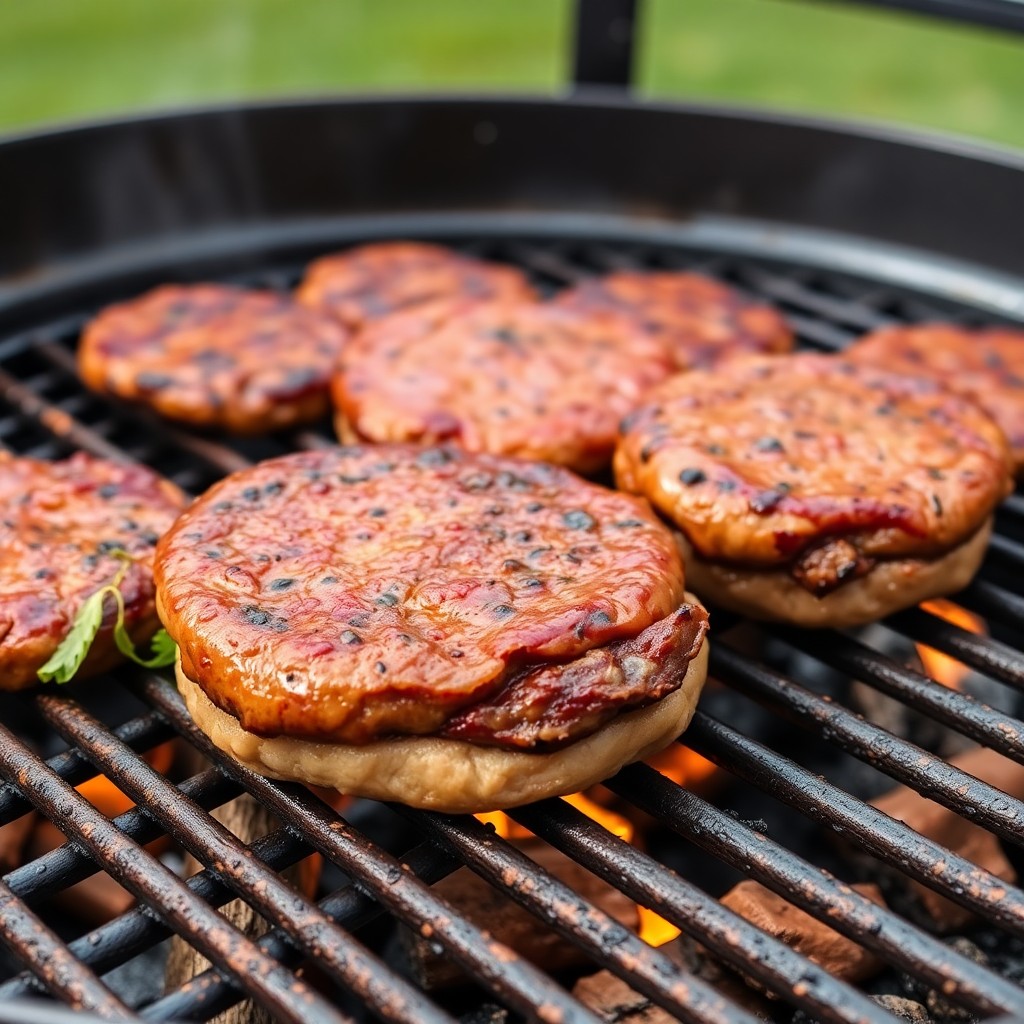
Set burgers directly above the hot coals first for that bold sear on both sides. Flip only once during grilling to keep juices inside and avoid drying out the meat.
Keep your lid closed between flips if possible, especially when flames rise too high. This controls heat and smoke better, locking in flavor without burning the outside.
Check doneness with a food thermometer instead of guessing by touch or color alone. For safe eating, aim for 160°F inside each patty.
Avoid pressing down on burgers with your spatula while they cook — this pushes out moisture and reduces taste.
After removing them from heat, let burgers rest for several minutes before serving or adding toppings. Resting keeps juices inside rather than spilling onto the plate.
Cooking burgers on charcoal grill gives deep smoky notes you can’t get from gas burners or skillets indoors. The direct flame contact builds crisp edges while keeping centers moist when done right.
Practice improves timing and control every time you cook outdoors this way, making future grilling easier and more consistent across different batches of meat or types of cuts used later on.
Rest and Build Your Burger Right
After grilling, do not rush to eat the burger. Let it sit for a few minutes. This short pause helps keep the juices inside. If you cut or bite too early, the moisture escapes onto the plate or bun. Waiting three to five minutes works well for most patties.
While the meat rests, prepare your toppings and buns. Slice items like tomatoes, onions, and pickles ahead of time. Use lettuce leaves that hold their shape without getting soggy fast. These steps save time when it’s time to assemble.
Toast your buns while waiting for the patties to cool slightly. Place them face-down on the grill for 30–60 seconds until they turn crisp around the edges. A firm bun keeps its shape better when stacked with sauces and fillings.
Now stack your ingredients in a balanced way. Spread condiments on both top and bottom halves of the bun so they don’t slide apart during eating. Add cheese directly on top of warm meat so it softens slightly from residual heat.
Place other toppings evenly across each layer. Avoid piling everything in one spot or using too much sauce at once—this can cause slipping or sogginess after a few bites.
Always build burgers with purpose: start with bread, add sauce, place greens next for structure, then meat and melted cheese, followed by sliced vegetables or extras like bacon if preferred.
This method works best when cooking burgers on charcoal grill, where smoky flavor adds depth to every bite but requires careful handling post-grill to avoid losing moisture.
A few extra moments spent waiting before stacking will lead to fewer messes and better taste overall—each part stays intact from first bite to last without falling apart mid-meal.
Unlock Next-Level Grilling with These Juicy Burger Essentials
Grilling the perfect burger is an art that starts with thoughtful preparation and ends with flavorful satisfaction. By choosing the right meat blend, forming well-structured patties, and seasoning generously, you lay the foundation for success. Mastering heat zones on your charcoal grill ensures a juicy, evenly cooked result every time. Finally, allowing your burgers to rest and assembling them with care elevates the entire experience. With these simple yet powerful techniques, crafting mouthwatering burgers on charcoal grill becomes second nature—delivering bold flavor and unbeatable texture that will impress at every cookout.